
Forget checking Atlantic storm trackers before packing trail sneakers for Curaçao. Most travelers plan Caribbean excursions around rain radar maps built for islands hundreds of miles farther north, yet weather works upside down down here.
What actually separates a clean ride from a gritty slog across Willemstad’s backcountry is trail moisture, wind direction, and sun angle against bare white coral rock. Per official records from the Meteorological Department Curaçao (MDC), daytime highs stay wedged tightly between 28°C and 32°C (82°F to 90°F) across all twelve months, with overnight lows hovering around 24°C to 26°C (75°F to 79°F). Honestly, temperature rarely changes your tour calendar. Instead, February red-clay dust clouds over San Pedro ride completely differently than November puddle splashes behind Sint Joris Bay, so checking seasonal dirt behavior before choosing routes on our Curaçao ATV and buggy overview saves plenty of squinting into grit.
Curaçao Off-Road Weather & Timing Snapshot
- Outside the Hurricane Belt: Sitting near 12°N latitude in the Southern Caribbean Dry Zone, Curaçao logs only 500 to 600 mm of annual rain with steady 28°C to 32°C (82°F to 90°F) days.
- Dry Dust Stretch (February to June): Minimal rainfall turns weathered volcanic clay on Hato and San Pedro plains into thick red dust plumes; pack wraparound eyewear and a gaiter.
- Brief Wet Window (October to January): November sees peak showers (often falling at night or dawn rather than all day), filling clay dips with red mud and making coral-aggregate asphalt slick.
- Constant Trade Winds: Beaufort Force 4 to 5 easterlies (20 to 39 km/h) cool open East Banda Ariba tracks while sheltered West coves trap midday heat once cliffs block the breeze.
- Morning vs Afternoon Clock: Morning 8:30 AM to 9:00 AM departures beat harsh UV and helmet heat; afternoon 1:30 PM to 2:00 PM tours trade hotter staging lots for warmer swim coves.
Why Curaçao Sits Outside Typical Caribbean Storm Patterns
Geography explains almost everything about Curaçao’s climate quirk. Floating roughly 60 kilometers off northern Venezuela on the South American continental shelf, the island occupies the Southern Caribbean Dry Zone, completely south of the primary Atlantic hurricane track. Cooler coastal upwelling off mainland South America pairs with persistent easterly airflow to cap vertical storm clouds before they build into multi-day tropical washouts.
Not many first-time visitors realize just how dry the terrain stays here. Annual rainfall averages just 500 to 600 mm total, less than half what lush volcanic islands farther north collect. Even sea surface temperatures barely wobble, nudging gently from 26°C (79°F) in February and March up to 28°C or 28.5°C (82°F to 83°F) by September and October. Well, that steady warmth does shift slightly under global El Niño and La Niña cycles. El Niño seasons squeeze annual rain totals even lower and stretch bone-dry trail dust straight through autumn, while La Niña swings deliver punchier overnight cloudbursts across November and December.
Does any month ever shut ATV tours down completely? Hardly ever. You might get delayed thirty minutes under a tin roof during a passing squall, or splash through deeper ruts near Tera Kora, yet guides rarely cancel entire schedules unless lightning sits directly overhead. Checking seasonal context alongside official visitor advisories on Curaçao.com helps set expectations before you pick an open straddle quad or a roofed buggy inside our verified tour directory.
Dry Dust Season (February to June) vs. Transitional Trade Months (July to September)
Spring arrives fast on dirt tracks even though winter weather never existed. From February through May, Curaçao enters its driest core, with March, April, and May routinely dropping under 15 to 25 mm of rain over three or four brief sprinkle days per month. Dry conditions stretch comfortably through June, while July through September behave as hot transitional months where daytime clouds stay suppressed and stray showers hold off until after dark.
Two ancient geological layers control how that dryness hits your tires, and you can read the full rock breakdown inside our Curaçao island terrain guide. Inland valleys around Tera Kora, Hato Plains, and behind Sint Joris Bay sit over weathered Cretaceous basalt from the Curaçao Lava Formation. Ninety million years of island weathering broke that volcanic bedrock into rust-red clay and loose gravel flats. Once February sun bakes moisture out of those ruts, spinning knobbies crush dirt into talcum-fine clouds that hang five feet off the ground behind every convoy.
Wind changes how you breathe that red dust. According to MDC wind summaries, sustained easterly and northeasterly trades average around 11 to 15 knots (hitting Beaufort Force 4 to 5 at 20 to 39 km/h, with stronger gusts cresting northern cliff edges), peaking noticeably from May through September. Crosswinds sweep light plumes off single ATV riders sitting upfront, yet trailing quads fifth or sixth in line inhale red mineral fog at every throttle bump. Side-by-side buggies behave even stranger in dry dust. Partial windscreens create low-pressure suction behind the dashboard, curling fine clay grit backward onto your knees and phone lens whenever tires kick dirt up on San Pedro Savannah.
Most operators respond with straightforward dust gear rules. Budget West ATV tours like Kadushi SB (5535072P4 at $87.50 (~€80.50)) and West Coast UTV Expeditions (207794P3) ($229.00 (~€210.68) per two-seat buggy) already supply goggles and bandanas at check-in, whereas several operators charge $3.00 to $5.00 (~€2.76 to €4.60) cash at the yard if you arrive empty-handed. Check our what to wear and pack checklist before heading out during dry spring weeks so you bring wraparound lenses that seal cleanly at the temples.
Rainy Season Trails (October to January): Puddles, Mud & Slick Coral Roads
Pack older shoes if your trip lands between Halloween and New Year’s Day. Rain ramps up in October, reaches its annual peak in November with roughly 90 to 100+ mm spread across 13 to 14 rain days, and tapers down steadily across December and January. Even in November, though, visitors expecting gray European drizzle or four-day monsoon downpours walk out into bright sunshine by 8:30 AM.
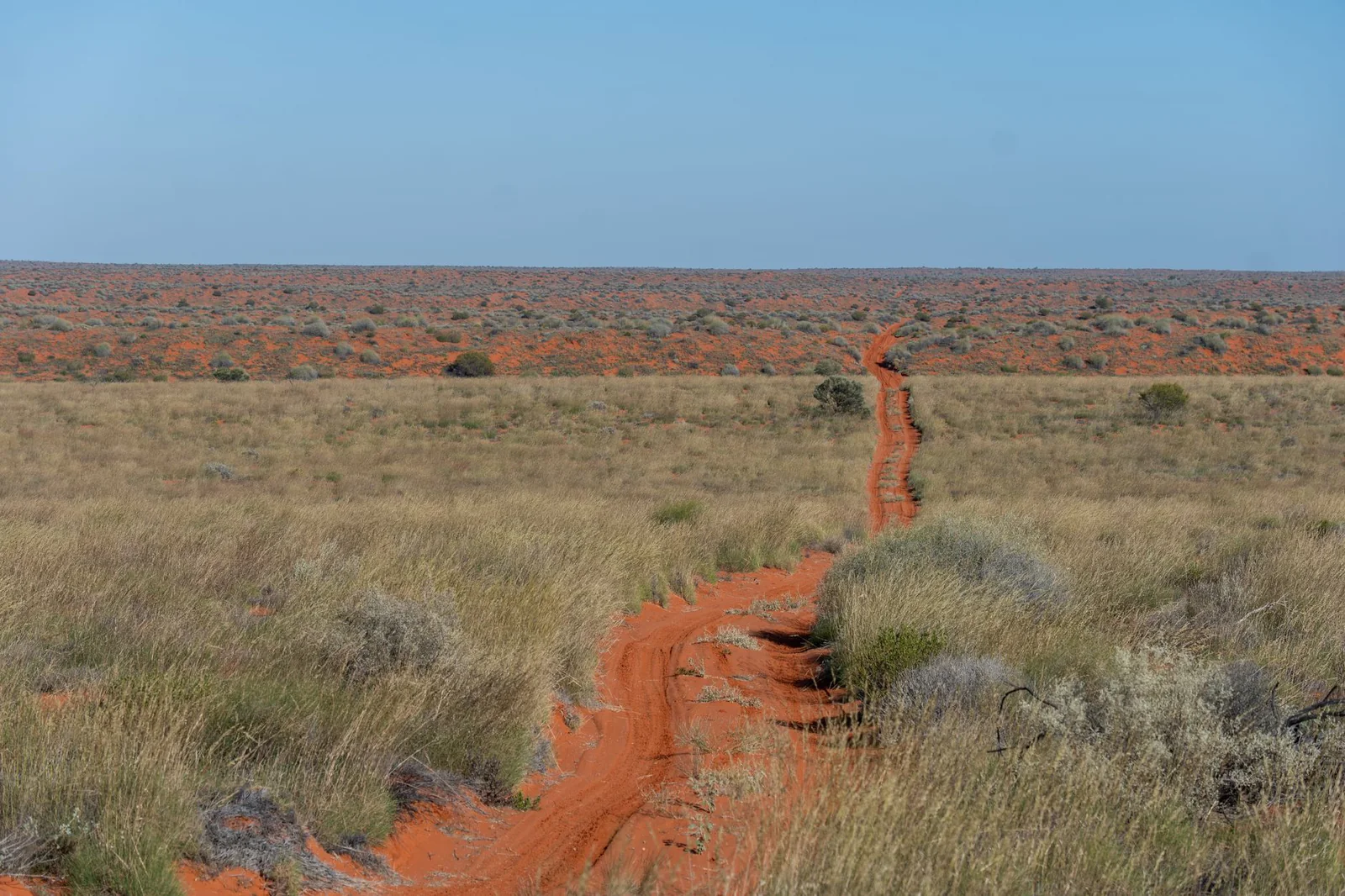
Sea-land breeze physics trigger most island showers late at night or right around dawn rather than mid-afternoon. By the time shuttle vans drop riders at Willemstad East or Vesta Stadium, puddles sit quietly across low clay basins while trade-wind clouds scatter offshore. For off-roaders, overnight rain actually solves the island’s biggest nuisance: damp volcanic dirt packs firm under wide tires and cuts airborne dust plumes almost to zero for hours.
Low spots tell a muddier story. Rain collects fast inside sunken clay bowls across the Hato Plains, Tera Kora farm tracks, and perimeter lanes circling Sint Joris Bay, leaving ankle-deep red mud splashes ready to soak quad boots and shins. Choosing an enclosed UTV side-by-side shields legs better than straddle quads through wet ruts, though open roll-cage doors still catch wheel spray whenever someone hits a puddle too hot. (Honestly, watching a buddy misjudge depth near Santa Catharina is half the fun if nobody brought white linen.)
Paved road transfers turn far trickier than dirt after brief squalls. Local road crews blend crushed fossil coral limestone aggregate into Curaçao’s asphalt, creating pale gray pavement that polishes glassy smooth under daily sun and traffic tires. Five minutes of sudden rain lifts dried oil and coral dust into a slick film across intersections around Veerisweg, Santa Rosa, and Piscadera. Braking distances stretch dramatically on knobby off-road tires, so guides slow convoy paces immediately between trailheads. Review Curaçao’s strict road rules in our plan and safety guide before steering onto wet pavement, especially since turning right against a red light remains illegal island-wide.
Seasonal Trail Condition & Departure Window Breakdown
Looking at twelve flat weather icons online makes every week in Willemstad look identical, yet surface traction and helmet heat swing noticeably across seasons and clock slots. Use the breakdown below to match trail conditions against vehicle style and convoy time before locking in seats.
| Window or Departure Slot | Typical Air & Sea Temp | Rainfall & Trade Winds | Dirt & Asphalt Conditions | Best Rider & Vehicle Match |
|---|---|---|---|---|
| Dry Season (February to June) | 29°C to 31°C (84°F to 88°F); sea 26°C to 27°C | 15 to 25 mm/mo; Force 4 to 5 trades (20 to 39 km/h) | Hard basalt dirt, deep wheel ruts, heavy red dust | Front-third convoy seats, sealed UV goggles, neck gaiters |
| Transitional (July to September) | 31°C to 32°C (88°F to 90°F); sea 28°C (82°F) | 30 to 50 mm/mo (dawn bursts); peak trade winds | Dusty plains with occasional firm morning dew crust | Roofed UTVs with Daaibooi or Kokomo swim stops |
| Rainy Window (October to January) | 29°C to 31°C (84°F to 88°F); sea 27°C to 28°C | 50 to 100+ mm/mo (Nov peak); gentler wind days | Sticky red clay puddles, minimal dust, slick coral asphalt | Older dark sneakers, side-by-side buggies over quads |
| Morning Slot (8:30 to 9:00 AM) | 27°C to 29°C rising under clear morning light | Lighter early breeze; lower equatorial sun angle | Pre-churned firmer surface before midday convoys | Heat-sensitive guests, tight cruise port ship schedules |
| Afternoon Slot (1:30 to 2:00 PM) | 30°C to 32°C (86°F to 90°F) tarmac peak | Full Force 4 to 5 gusts; harsh overhead coral glare | Loose churned grit, warmer leeward swimming coves | Photo fans chasing late sun, budget snorkel-break pairs |
Dry spring weeks often reward open-air riding without long stops, making three-hour eastern loops like Living Life’s East Coast ATV Tour (362410P11) at $100.00 (~€92.00) or Curacao Buggy Adventures (GYG-481716) at $170.00 (~€156.40) per two-seater an easy pick. Once late-summer highs settle around 32°C (90°F), stepping up to a shaded buggy with ocean rinse time makes far more comfort sense.
East Banda Ariba vs. West Banda Abou: How Trade Winds Split the Island
Because Curaçao stretches northwest to southeast straight across steady easterly airflow, weather feels surprisingly uneven between both halves of the island. Riding our East Coast Banda Ariba trails puts you squarely on the windward edge. Steady Force 4 to 5 trades push Atlantic air straight over Sint Joris Bay, Ronde Klip, and Playa Kanoa with zero hills in the way to block the breeze. Even on cloudless August afternoons, natural crosswinds strip sweat from open collars and keep helmet interiors tolerable as long as your wheels stay rolling. Just watch camera gear along exposed north-coast blowholes, since salt spray rides horizontal gusts straight onto lenses and bare sunglasses.
Flip over to West Coast Banda Abou routes, and microclimates change block by block. Up across the San Pedro plateau and wind farms, open ridges catch every bit of northeast breeze spinning the coastal turbines. Once convoys drop down toward Daaibooi Beach or Kokomo Beach, however, fossilized limestone cliffs block those easterlies completely. That wind shadow is why Curaçao’s western leeward coves sit glassy calm for swimming while surf batters Playa Kanoa behind your back. It also traps afternoon heat like an outdoor patio. Sitting stationary on dark UTV vinyl while riders climb back from a cave or beach rinse gets muggy quickly between 1:00 PM and 4:00 PM.
Notice how island parks handle midday heat too. Across northwestern ridges, Christoffel National Park strictly cuts off Mount Christoffel foot hikes after 10:00 AM to prevent heat exhaustion (and bars ATVs and buggies from entering park roads altogether). Guided ATV and UTV loops operate safely past noon across nearby Tera Kora and San Pedro dirt tracks mainly because constant vehicle airflow cools riders faster than steep hiking, provided you drink plenty of water at shaded checkpoints like Curaloe Aloe Vera Plantation or cave overhangs.
Morning (8:30 to 9:00 AM) vs. Afternoon (1:30 to 2:00 PM) Departure Timing
Choosing your clock slot changes trail quality almost as much as picking dry season over November. Nearly every major operator from Willemstad East to Piscadera runs one morning convoy (usally staging between 8:30 AM and 9:00 AM) plus a second afternoon departure (typically 1:30 PM to 2:00 PM).
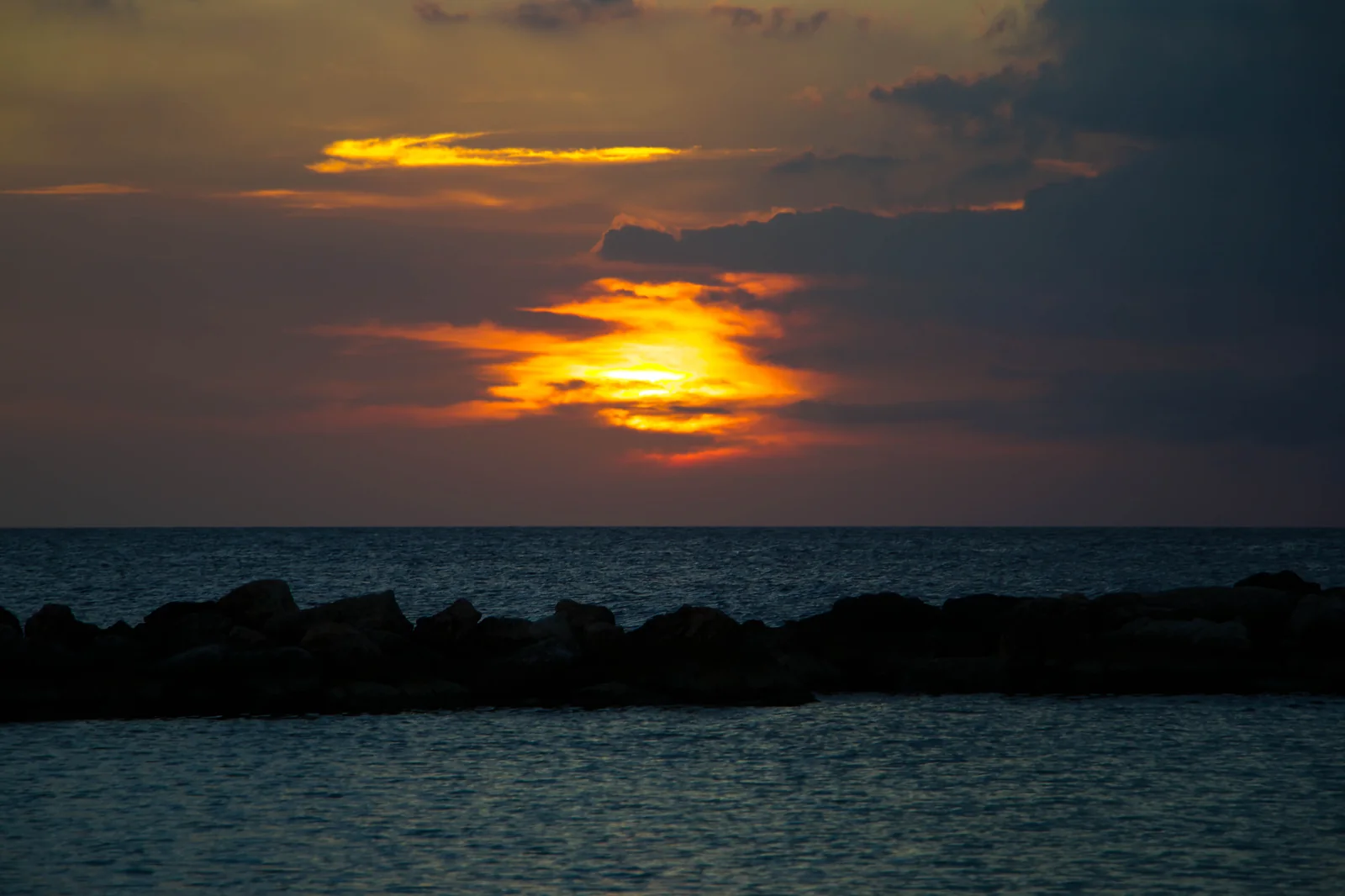
Morning slots win cleanly on comfort and surface quality. Sun angles stay lower until roughly 10:15 AM, sparing your eyes from brutal upward glare off pale white coral limestone shelves. Overnight dew or early coastal mist holds fine clay down along Tera Korá and Sint Joris for the first hour before mid-morning heat cooks tracks chalky again, meaning morning riders generally see cleaner trail edges. Helmets feel noticeably fresher inside staging yards before noon asphalt bakes dark liners hot too. Cruise passengers docking at Mega Pier or Mathey Wharf should lean toward morning loops as well, since returning by noon preserves safe afternoon buffers before All Aboard—remembering Curaçao keeps Atlantic Standard Time (AST, UTC-4) year-round with zero Daylight Saving shifts, as detailed in our cruise port arrival guide.
Does afternoon riding hold any real edge? Surprisingly, yes. By 3:00 PM, calm leeward water at Daaibooi and Kokomo feels noticeably warmer than brisk morning swims in February or March when ocean temperatures sit near 26°C (79°F). Afternoon departures on tours like Kadushi’s Offroad UTV/Buggy Adventure (GYG-876904) ($193.50 (~€178.02) per two-seater) also catch warm golden light skimming across Bullenbaai bluffs and San Pedro cacti, whereas noon glare washes stone textures flat white in phone snapshots. Weigh canopy shade and suspension travel inside our ATV quad vs UTV buggy comparison if afternoon UV worries anyone in your group.
Weather Traps & Seasonal Trail Mistakes to Avoid
- Sunburn Traps Under Breezy Skies: Force 4 to 5 trade winds cool bare shoulders so effectively that riders barely feel UV heat building at 12°N latitude. Pale coral limestone bounces ultraviolet light upward beneath helmet brims; apply reef-friendly sunscreen before gearing up even on cloudy mornings.
- Coral Asphalt Oil Slicks After 5-Minute Squalls: Paved streets built with polished coral-limestone aggregate turn slick as wet glass during brief October through January rain showers. Leave triple following space on road transfers and slow hard ahead of roundabouts.
- White-Shirt Mud Stains in Nov & Dec: Iron-rich Cretaceous clay leaves permanent rust-orange speckles across white T-shirts, bright shorts, and fresh trainers whenever tires splash through rain puddles. Mandatory closed-toe shoe rules also disqualify sandals on wet tours.
- Taking Rain Shelter Under Manchineel Trees: Never duck beneath shoreline mansaliña trees (marked by small green apple-like fruit) during sudden squalls; raindrops wash caustic milky sap off leaves directly onto bare skin and eyes.
Booking Windows, Cancellations & Packing by Month
Winter cruise high season from December through April fills morning start times days or even weeks ahead, especially low-capacity runs like Curacao Island Trail’s six-quad West tour from Tera Korá (GYG-1137091 at $218.50 (~€201.02) per pair) or top-reviewed operators like Eric’s Half Day East ATV Tour (9023P1) at $118.00 (~€108.56). Between May and October, you can often lock in seats just a couple of days before riding without sacrificing morning choice. Every vetted operator inside our catalog supports 24-hour free cancellation, letting you pivot dates easily if a rare tropical trough lingers offshore.
Check the live dawn radar over breakfast on meteo.cw during rainy autumn weeks, zip a spare dark T-shirt and dry towel into a sealed pouch inside your backpack, and step into worn-in closed sneakers before your shuttle van pulls up outside the gate.